Recent changes in immigration policies across several European countries are set to impact Romanian travelers and workers significantly. As immigration continues to play a critical role in shaping labor markets and mobility, understanding these policy shifts is essential for Romanians planning to travel or work abroad.
Overview of Recent Immigration Policy Changes
Governments in key European destinations for Romanian nationals, including Germany, Italy, and France, have introduced new immigration regulations aimed at controlling migrant inflows and addressing labor shortages. These measures include tighter visa requirements, streamlined approval for skilled workers, and enhanced border checks. The evolving landscape necessitates close attention from Romanian citizens who rely on cross-border mobility for employment or travel.
Impact on Romanian Workers Seeking Employment Abroad
The revised immigration policies primarily aim to prioritize skilled labor while imposing stricter criteria for low-skilled jobs. Romanian workers in sectors such as construction, healthcare, and agriculture may face increased scrutiny and longer processing times for work permits. However, certain countries are simultaneously expanding fast-track immigration mechanisms for qualified professionals, which could benefit Romanian specialists in technology and engineering fields.
Consequences for Romanian Travelers and Tourism
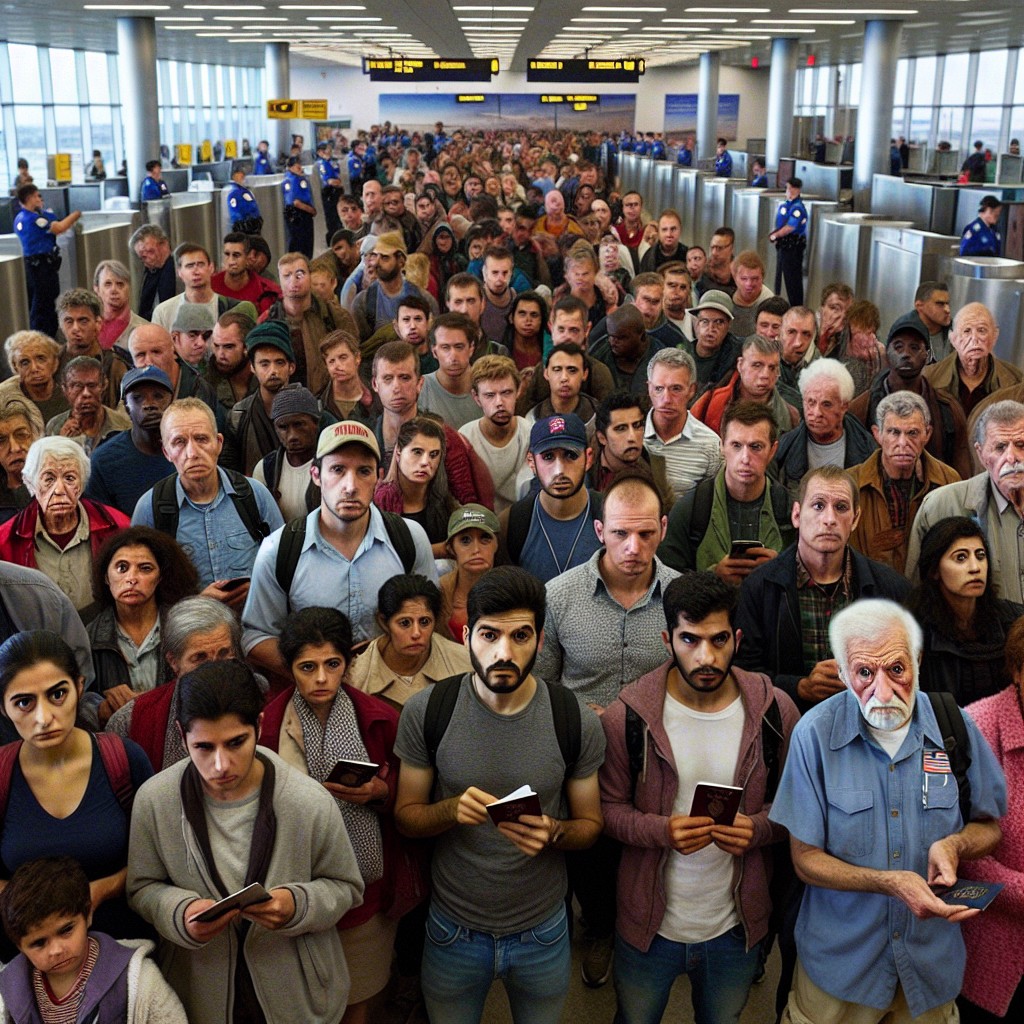
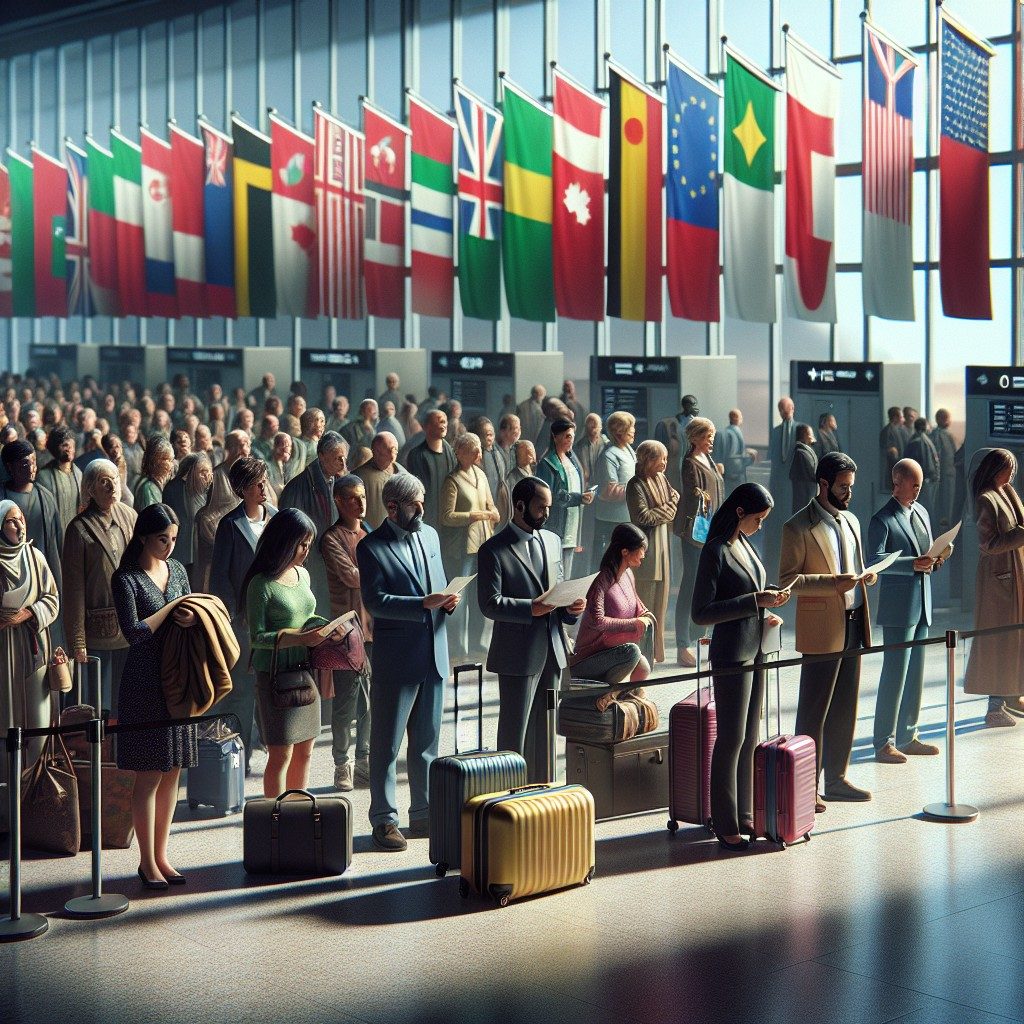
For Romanian travelers, enhanced immigration controls translate to more comprehensive documentation requirements and potential delays at border crossings. Tourist visas and short-stay permits now often require proof of return travel and evidence of sufficient financial means. These adjustments aim to curb unauthorized stays but could cause inconvenience for legitimate travelers, influencing travel plans and tourism patterns between Romania and destination countries.
Government and Institutional Responses
In response to these shifts, Romanian authorities and European institutions are enhancing informational campaigns to assist citizens in navigating the new immigration frameworks. Collaborations between Romanian embassies and international bodies focus on ensuring transparency and facilitating compliance with immigration rules. Additionally, international organizations emphasize the importance of fair visa policies to support mobility, economic growth, and cultural exchange.
Long-term Implications for Romanian Mobility and Workforce Integration
The ongoing changes in immigration policy suggest a future of more regulated but potentially more efficient labor and travel mobility for Romanians. While stricter controls may limit unauthorized immigration, improved pathways for skilled workers could enhance Romania’s integration into European labor markets. Monitoring these developments will be crucial for Romanian travelers and workers to adapt successfully to the evolving immigration environment.
Frequently Asked Questions about immigration
How do recent immigration policy changes affect Romanian workers?
Recent immigration policy changes introduce stricter work permit criteria, especially for low-skilled Romanian workers, while offering accelerated entry for skilled professionals.
Are there new visa requirements for Romanian travelers due to immigration policy shifts?
Yes, enhanced immigration regulations now require Romanian travelers to provide additional documentation such as proof of return and financial means to secure visas or short-stay permits.
Where can Romanian citizens find authoritative information about immigration?
Romanian citizens can find reliable immigration information on international platforms such as the International Organization for Migration and the European Commission’s migration page.
Do immigration shifts make it harder for Romanian specialists to work abroad?
Not necessarily; while general immigration policies are stricter, there are simplified processes aimed at attracting highly skilled Romanian workers in sectors like IT and engineering.
What should Romanian travelers do to adapt to changing immigration policies?
Romanian travelers should stay informed through official channels, ensure all travel documents meet new immigration requirements, and plan for potential delays at borders.
In conclusion, the shifting immigration policies notably impact Romanian travelers and workers by introducing both challenges and opportunities. Adapting to these changes will require awareness and strategic planning to maintain smooth mobility and employment prospects across Europe.