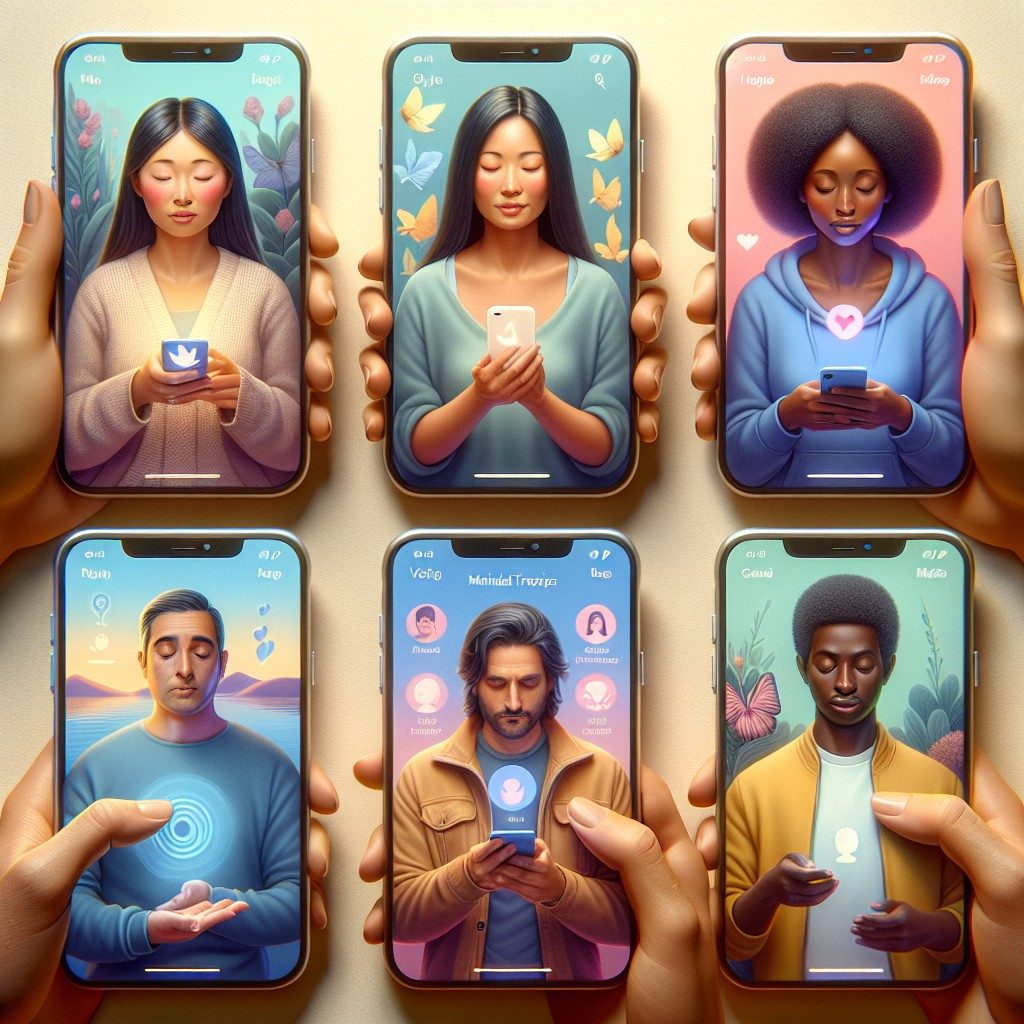
The increasing prevalence of mental health issues worldwide has led to a surge in the development and use of digital tools designed to provide support and treatment. Among these, mental health apps have gained significant attention for their accessibility and convenience. However, not all such apps deliver effective help, making it crucial to understand how to assess their evidence and efficacy.
The rise of mental health apps in digital healthcare
With advances in smartphone technology and growing mental health awareness, the market for mental health apps has expanded rapidly in recent years. These apps aim to assist users in managing symptoms of anxiety, depression, stress, and other psychological conditions through techniques such as cognitive behavioral therapy (CBT), mindfulness exercises, mood tracking, and professional counseling. The appeal of mental health apps lies in their potential to bridge gaps in traditional healthcare access, particularly for those unable to attend in-person sessions due to geographic or financial constraints.
Evaluating the effectiveness of mental health apps
Not all mental health apps provide scientifically validated support. Determining which apps offer genuine benefits requires reviewing the evidence supporting their methods. Peer-reviewed research published in reputable journals is one reliable indicator of an app’s efficacy. Clinical trials involving control groups and large sample sizes help validate the therapeutic claims made by an app. Users should look for apps developed in collaboration with mental health professionals and institutions that have undergone such rigorous testing.
Key indicators of credible mental health apps
A credible mental health app often features transparency about its development process, data privacy policies, and the involvement of licensed mental health experts. It typically discloses the evidence base for its interventions and may have regulatory approvals or certifications where applicable. User feedback is also an important complement to scientific data, providing insights into real-world effectiveness and usability. However, reviews alone do not replace the necessity for solid clinical validation.
The role of regulatory bodies and standards
Regulatory agencies such as the U.S. Food and Drug Administration (FDA) and the European Medicines Agency (EMA) have begun establishing guidelines for digital health tools, including mental health apps. These frameworks aim to ensure user safety and app efficacy before they reach the market. Moreover, organizations like the American Psychiatric Association have published criteria to help consumers and clinicians assess mental health apps’ quality. Although regulation is still evolving, it is an important step toward distinguishing effective apps from those lacking scientific rigor.
Challenges and considerations when using mental health apps
Although mental health apps offer convenient options for support, they are not a substitute for professional diagnosis or treatment when needed. Privacy concerns arise because of the sensitive nature of the data collected by these apps. Moreover, the diversity of mental health conditions means that no single app fits all users’ needs equally. It is essential for individuals to consult healthcare providers when choosing an app to complement their mental health care. Understanding the evidence behind these digital tools enhances informed decision-making and user safety.
As technology and research continue to advance, mental health apps are poised to become more integrated into mainstream mental healthcare. Their potential to increase accessibility and personalize support is significant, but only apps grounded in solid evidence will likely contribute meaningfully to mental health outcomes.
Frequently Asked Questions about mental health apps
What makes a mental health app trustworthy and effective?
A mental health app is considered trustworthy when it is backed by scientifically validated methods, developed with input from licensed professionals, and maintains transparent data privacy policies. Effectiveness is often demonstrated through peer-reviewed research and clinical trials supporting its therapeutic claims.
Can mental health apps replace traditional therapy?
Mental health apps can complement traditional therapy but are not substitutes for professional diagnosis or treatment. They are most effective when used alongside guidance from qualified healthcare providers, especially for moderate to severe mental health conditions.
How can I verify the evidence supporting a mental health app?
You can verify evidence by reviewing published clinical studies related to the app, checking endorsements from reputable health organizations, and ensuring the app follows established treatment guidelines. Regulatory approvals or certifications also indicate an app’s credibility.
Are mental health apps safe regarding user privacy?
Safety depends on the app’s data handling policies. Reliable mental health apps clearly disclose how they collect, store, and use personal data, often complying with data protection laws such as GDPR or HIPAA to safeguard user privacy.
What features should I look for in a mental health app?
Look for features such as evidence-based therapeutic techniques, ease of use, personalized support options, clear privacy policies, and accessibility. Apps offering professional counseling or connections to healthcare providers add additional value.